Table of Contents
- Why Flying a Drone from a Boat Changes Everything
- Choosing Gear for Flying a Drone from a Boat
- Flying a Drone from a Boat: Launching Safely
- Flying a Drone from a Boat: Catching It Safely
- Safety and Regulations for Flying a Drone from a Boat
- Flying a Drone from a Boat: Final Thoughts
Why Flying a Drone from a Boat Changes Everything
Flying a drone from a boat gives you a perspective you can't capture with a ground-based camera. If you crash over open water, your gear is gone for good. That reality changes how you approach every single flight.
That perspective is why I keep coming back to flying drones over water. Following alongside a vessel or pulling back to reveal the open water gives the footage a sense of scale and movement that's difficult to capture from another boat.
- You are managing the drone, the boat, and the wind at the same time.
- A crash on the water is almost always a total loss.
- Conditions change much faster on the water than they do on land.
Choosing Gear for Flying a Drone from a Boat
The best drone for boating depends on the conditions, the available deck space, and the needs of the shoot. Not every model works well offshore, so you need equipment that handles wind and fits into a cramped deck space.
The DJI Phantom 4 Pro is older now, but its handle-style landing gear makes the drone hand landing process much easier to manage.
The Phantom 4 Pro was the first drone I flew over water. When a moving deck makes a conventional landing impractical, having that accessible landing gear becomes a real advantage during recovery.
The DJI Inspire series works well for two-person crews where one pilot flies and the other operates the camera. If you want to review high-end options, take a look at this detailed DJI Inspire 3 drone review before making a purchase.
I used the Inspire 2 to document the wind turbines off Block Island. Splitting the flying and camera duties between two operators helped us manage the shot while dealing with offshore wind, chop, and a moving subject. We've since moved up to the Inspire 3, but its size and weight make it less convenient to bring aboard. For most of our water shoots, the smaller Mavic gets the job done.
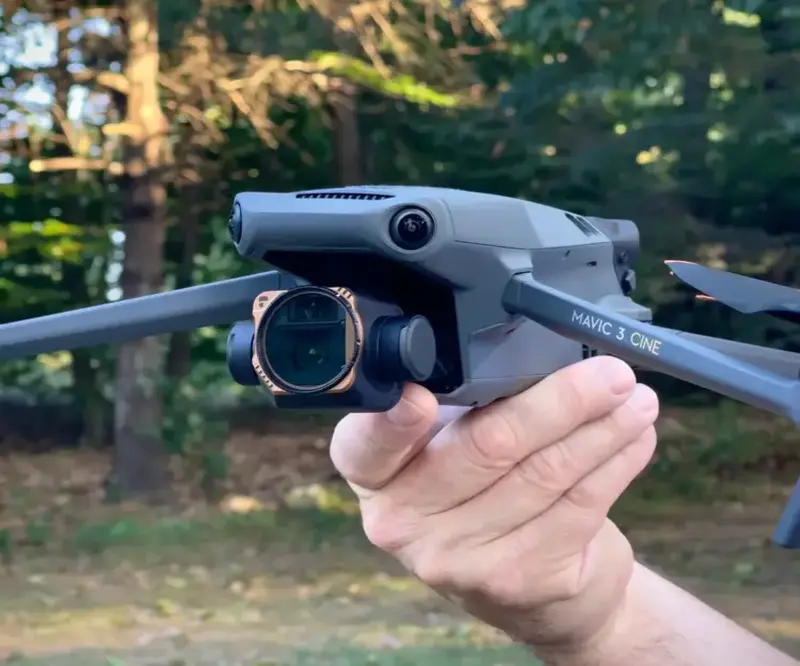
The DJI Mavic 3 Cine Pro is what I reach for most often on tight schedules. Review the official DJI Mavic 3 Pro user manuals and guides to familiarize yourself with the drone's controls, safety features, and operating procedures before your shoot.
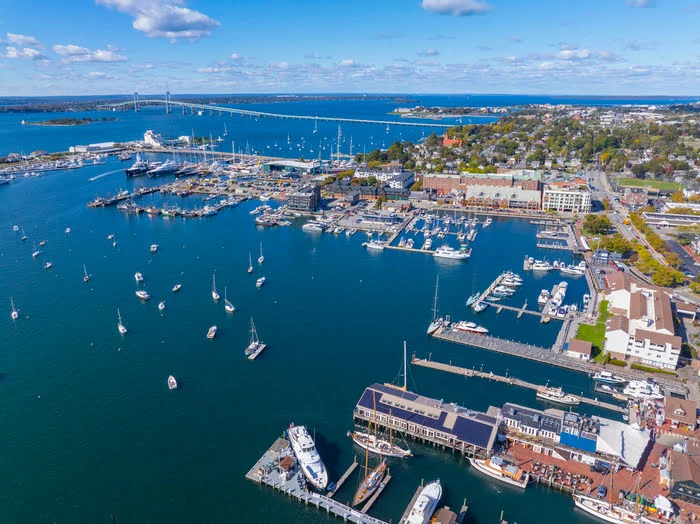
On a recent Narragansett Bay shoot for a startup developing military and AI software, I had limited deck space and little time to get the drone in the air. The Mavic's compact, folding design was a practical fit for those conditions. That progression from the Phantom to the Inspire and Mavic has taught me to choose the drone based on the shoot and the space available on board.
Flying a Drone from a Boat: Launching Safely
Getting the drone airborne from a moving deck requires a solid plan and clear communication with the captain.
Use the bow of the vessel as your primary launch point. Point the bow into the wind or current so the boat drifts away from the drone.
Even with the engines off, the boat keeps moving. Before takeoff, talk through the departure and recovery plan with whoever is at the helm so you're both ready for that movement.
The bow usually offers the most open space, but check the path above it before powering up. Pay attention to whether the wind or current has the greater effect on the boat, and coordinate its position with the captain. The goal is to give the drone a clear vertical departure without the vessel drifting underneath it.
- Power on the drone, let it warm up, and dial in your camera settings while it acquires a solid GPS lock before takeoff.
- Take the drone straight up, clearing the gunwales, rigging, hardtops, and mounted instruments before moving sideways.
- Keep your movements slow and deliberate until you are clear of the vessel.
Flying a Drone from a Boat: Catching It Safely
A safe drone from boat recovery is often the hardest part of the job. If you're learning how to land a drone on a moving boat, practice the approach and hand-catching technique in calm, protected water before trying it offshore.
The first step in learning how to land a drone on a boat is making the vessel's position as steady and predictable as possible. Spot lock can help hold it in place, and an anchor is another option when conditions allow. If neither is available, coordinate with the captain to manage the drift before bringing the drone within reach. A changing gap between the boat and drone makes recovery much harder.
Approaching in reverse means keeping the drone facing the same direction as you. That way, left and right on the controller match what you see, reducing the chance of a reversed input during the final approach. Practice this orientation in calm, protected water before trying it offshore.
Modern collision sensors will read your hand as an obstacle and push the drone away. Cover the bottom sensors with high-visibility gaff tape so you can grab the drone without it fighting you.
- Hold the boat steady using spot lock or match your drift speed.
- Fly the drone in reverse toward yourself to keep the controls intuitive.
- Wear a heavy leather glove on your catching hand to protect against spinning propellers.
- Remove the gaff tape immediately after landing so ground sensors work properly next time.
The drone's shape matters when landing a drone on a boat. The Phantom's landing gear offers a different grip from the Mavic's body, where your fingers are closer to the propellers. Wearing a glove does not make contact with spinning propellers safe. Know the recovery and motor shutdown procedures for your specific model before takeoff, and avoid rushing a catch if the boat or drone is moving unpredictably.
Safety and Regulations for Flying a Drone from a Boat
Preparation starts at the dock. My drone preflight checklist includes charged batteries and spares, memory cards with room to record, a linked and tested controller, and recovery equipment within reach. Decide where you'll launch and recover the drone before you head out, and make sure the person running the boat knows the plan. Those decisions are much easier to make before you're also trying to fly and frame a shot.
Always check current marine forecasts via the National Weather Service marine weather portal before heading offshore.
Check airspace restrictions using the official FAA B4UFLY tool to ensure you are legally clear to operate.
Follow the FAA's Part 107 regulations and any restrictions that apply where you fly. If you're not Part 107 certified and you plan to fly commercially, get certified before taking on client shoots. The FAA commercial drone pilot page explains how to earn your Remote Pilot Certificate and keep your knowledge current. Understanding airspace, weather, and safe operating procedures helps protect you and your clients and should be part of your preparation, just like checking the drone and planning the recovery.
Flying a Drone from a Boat: Final Thoughts
Flying a drone from a boat takes practice, patience, and strict adherence to safety protocols. Start your practice sessions in calm, protected water near the shore before moving on to shoots on the open ocean or in a bay.
A Rhode Island Drone Videographer for Your Next Marine Project
Even with a solid plan, launching, flying, and safely catching a drone from a moving boat can be demanding. If you need cinematic drone boat footage for a vessel, coastline, offshore site, or activity on the water, Sean McVeigh Media is ready to help.
As experienced drone videographers, we know how to plan around wind, water, limited deck space, and changing marine conditions. We can manage the flight from launch through recovery while capturing polished footage that supports the story of your project.
Contact us today to tell us about your location, vessel, and goals for your next marine video project.